
Why 40% of Court Records Aren't Where You Think They Are
Discover why nearly half of U.S. court records exist in fragmented systems—and how this impacts due diligence, legal research, and investigations.
The Hidden Architecture of America's Public Records
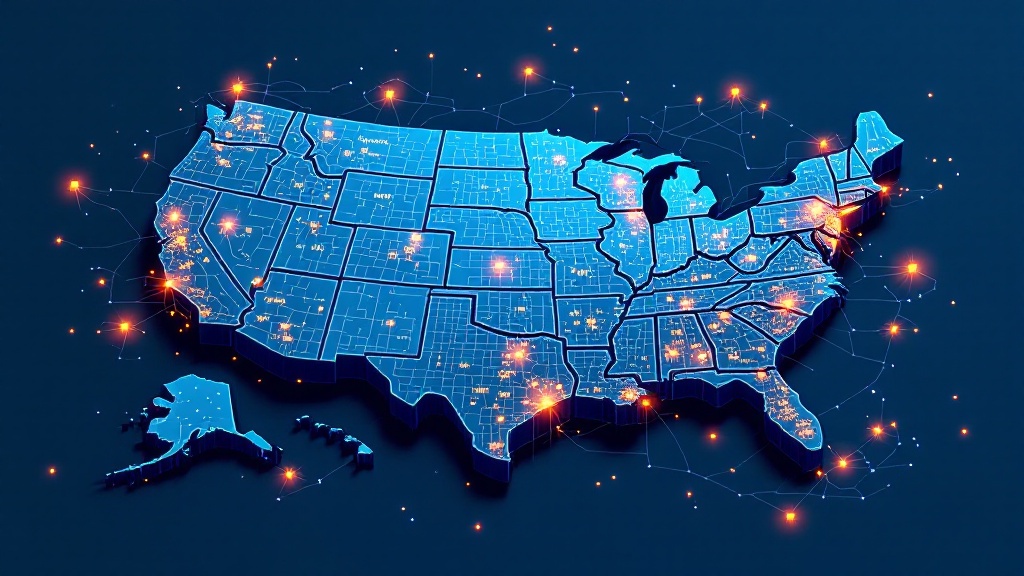
When most people think about court systems, they imagine a unified digital infrastructure where all public records are neatly catalogued and accessible. The reality is far messier. An estimated 40% of court records exist outside the databases most investigators check first—scattered across county clerks' offices, specialized tribunals, federal archives, and even paper-only repositories that have never been digitized.
This fragmentation isn't accidental. The U.S. legal system operates on a principle of jurisdictional independence, with over 3,000 counties, 94 federal districts, and countless municipal courts maintaining their own record-keeping systems. Some have embraced modern case management platforms with public APIs, while others still rely on microfiche or handwritten ledgers. For legal research professionals and compliance teams conducting due diligence, this creates a critical blind spot: the records you need may exist, but not where standard searches would find them.
Understanding this architecture is essential for anyone conducting multi-state investigations. A corporate background check that only queries PACER (Public Access to Court Electronic Records) might miss state-level civil judgments, while a property dispute search limited to one county database could overlook adjacent jurisdictions where the same party has litigation history.
Where Records Hide: A Taxonomy of Blind Spots
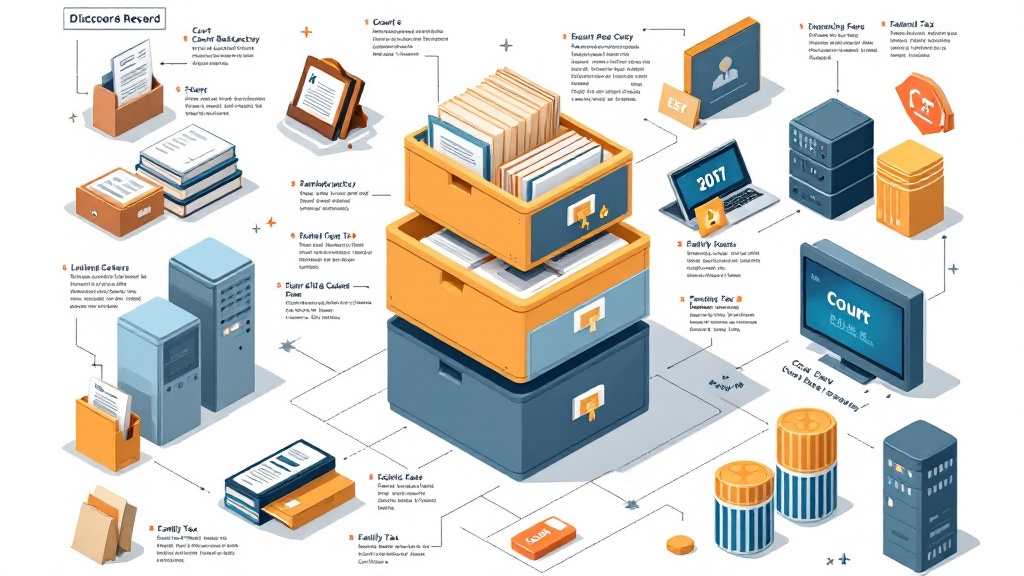
The missing 40% of court records fall into predictable categories that investigators often overlook. Specialty courts represent one major gap—bankruptcy courts, tax courts, immigration tribunals, and family courts frequently maintain separate databases that don't feed into general case management systems. A subject with a clean record in criminal and civil searches might have extensive bankruptcy filings or family court proceedings that simply aren't indexed in standard public records searches.
Sealed and expunged records create another layer of complexity. While technically removed from public view, metadata about these cases sometimes persists in secondary systems—docket numbers without details, or references in related cases that hint at hidden litigation. Similarly, pre-digitization archives contain millions of cases filed before electronic systems existed, typically from the 1980s and earlier, which require physical visits to courthouses or specialized research services to access.
Geographic inconsistencies compound these issues. Some states maintain centralized repositories for all court filings, while others delegate record-keeping entirely to county clerks. In Texas, for example, property records and certain civil filings exist only at the county level across 254 separate jurisdictions, each with different digitization standards and public access policies. For compliance teams running background checks across multiple states, these variations create systematic gaps in due diligence workflows.
Building Complete Intelligence in a Fragmented System
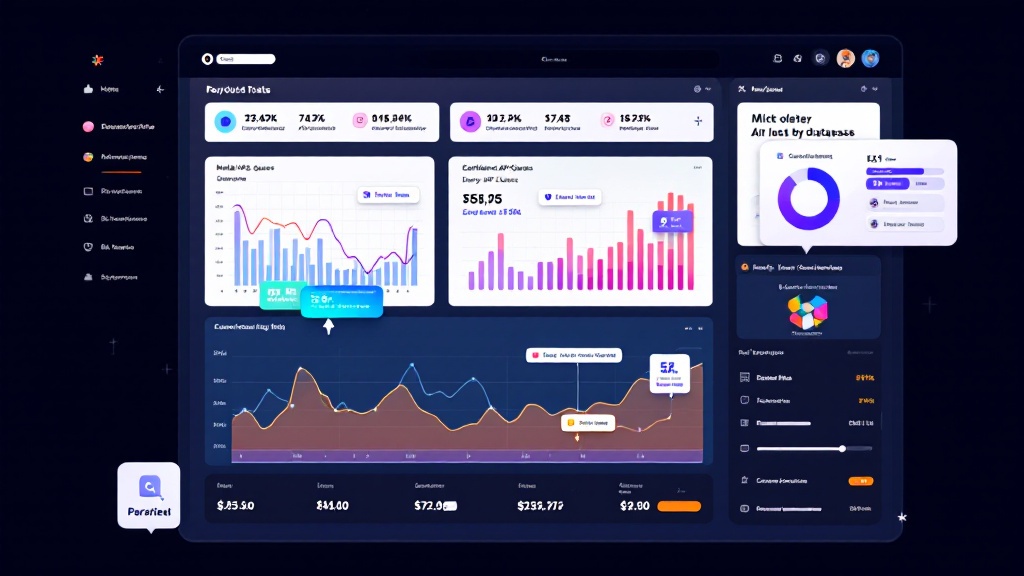
For law firms and corporate investigators, accepting this fragmentation as inevitable leads to incomplete investigations and compliance risks. The solution isn't hiring more researchers to manually check hundreds of sources—it's implementing technology that treats fragmentation as a technical problem with a programmatic solution. Modern API aggregation platforms now query multiple jurisdictions and data sources in parallel, applying entity resolution algorithms to match records across inconsistent naming conventions and data formats.
This approach transforms investigations from sequential manual searches into simultaneous automated queries. When a compliance team needs to vet a potential business partner, the system can simultaneously check federal court databases, state business registries, property records across relevant counties, and specialized tribunals—returning structured results with confidence scores and source attribution. The difference isn't just speed; it's completeness. Automated parallel querying catches records that would be missed in traditional research workflows simply because no human investigator would think to check that particular county clerk's office in a neighboring state.
The future of legal research and due diligence lies in acknowledging that public records will remain fragmented, but access to them doesn't have to be. By building intelligence layers that normalize and consolidate data from hundreds of inconsistent sources, investigators can finally see the complete picture—including that missing 40% that traditional searches leave behind.